You've done it thousands of times and probably never questioned it. You grab some paper, you wipe, you move on. It's the one part of your day nobody talks about, which is exactly why so few of us ever stop to ask whether there's a better way.
There is a good case that there is. This is the bidet vs toilet paper question, answered without shame, hype, or awkward jokes (okay, maybe one analogy). Here's what the evidence says about the planet, about getting clean, and about your wallet.
The environmental impact of toilet paper
If you care about forests, water, and waste, this is the part for you.
Toilet paper is a single-use product made to be flushed after seconds of use. Much of what's sold in North America is made from virgin wood pulp rather than recycled fiber. The Natural Resources Defense Council's report The Issue with Tissue (2019) examined this and highlighted the role of tissue products in logging Canada's boreal forest, a major carbon store. Recycled and bamboo options exist, but the choice is still to keep buying a product designed to be thrown away.
Then there's the manufacturing footprint. Turning wood into soft white paper takes energy, water, and often bleaching chemicals. Published estimates of the water used per roll vary widely depending on what's counted, so we won't hand you a single dramatic number. The honest summary is that making the paper takes real resources, every time.
A bidet isn't free of impact either, and we'd rather say so. It uses water. Published estimates for a typical bidet wash are around an eighth of a gallon, according to a published dermatology editorial, and the exact amount depends on your model and how long you use it. What changes is that you stop buying, shipping, and flushing a stack of paper every week.
The takeaway: a bidet swaps a steady stream of manufactured paper for a splash of water. Most people who care about waste find that an easy trade.
The hygiene gap
Here's the question that matters most to a lot of people: which actually gets you cleaner?
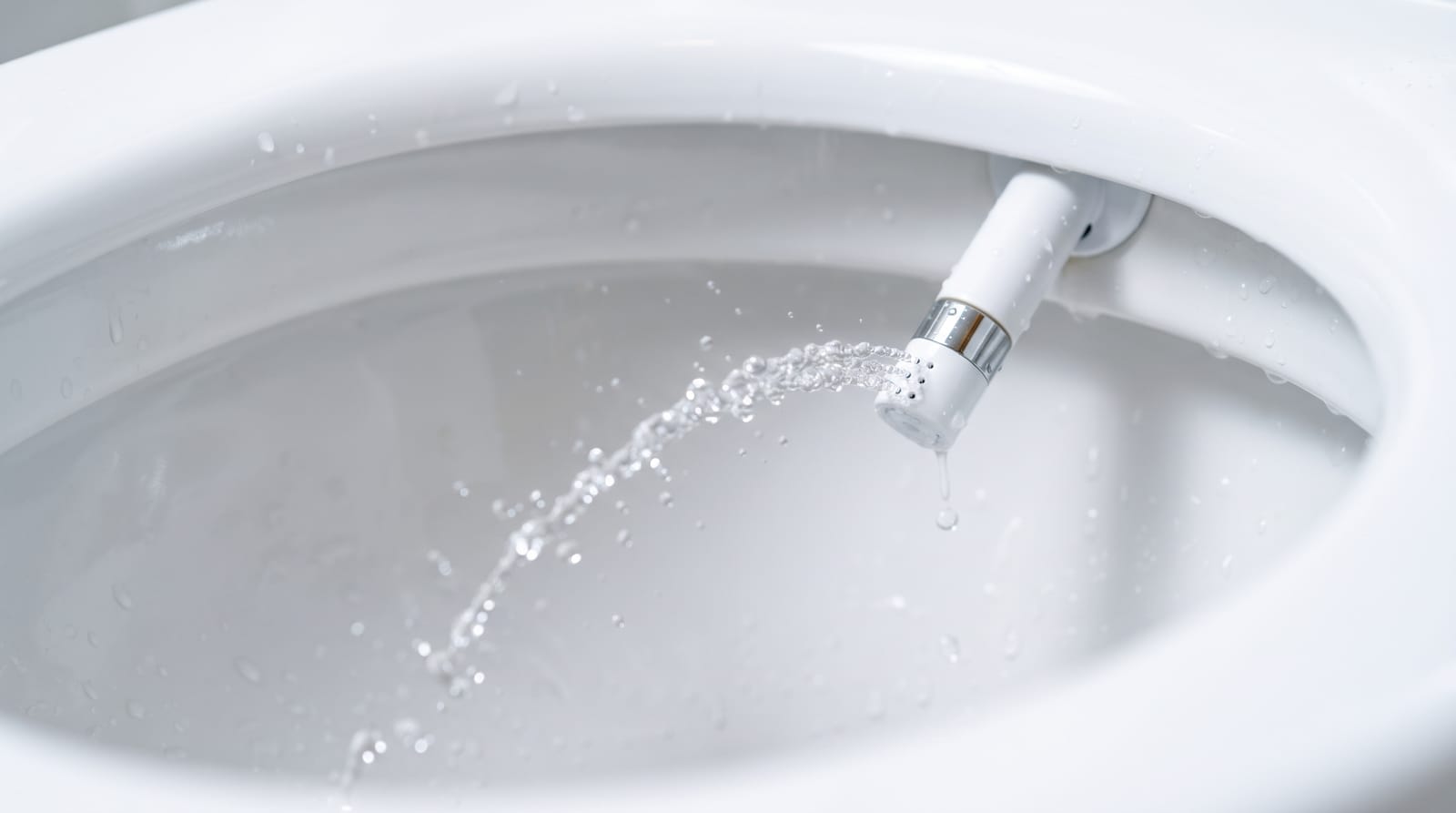
Try this analogy. Imagine you came in from the garden with muddy hands. Would you reach for a dry paper towel and rub? You'd probably smear most of it around and still feel unfinished. You'd rinse with water. That's the basic idea behind a bidet: water rinses, while dry paper mostly moves things around.
To be upfront, this is an analogy rather than a lab result. We don't know of a head-to-head clinical trial proving one method cleaner than the other, and some of the claims you'll see online outrun the evidence. What we can say is that rinsing with water is how we handle every other part of our bodies, and that some dermatologists have made the case for bidets as a gentler alternative to repeated dry wiping (see the dermatology editorial).
That gentleness matters for comfort too. Dry wiping can be rough on sensitive skin, and many people switch to a bidet because rinsing feels calmer. If you deal with ongoing irritation, bleeding, or pain, please see a doctor. A bidet is not a medical treatment.
"But it feels weird." (It does, at first.)
We get it. Changing a lifelong habit feels unfamiliar, and nobody is judging you for being unsure. A few quick answers to the usual worries:
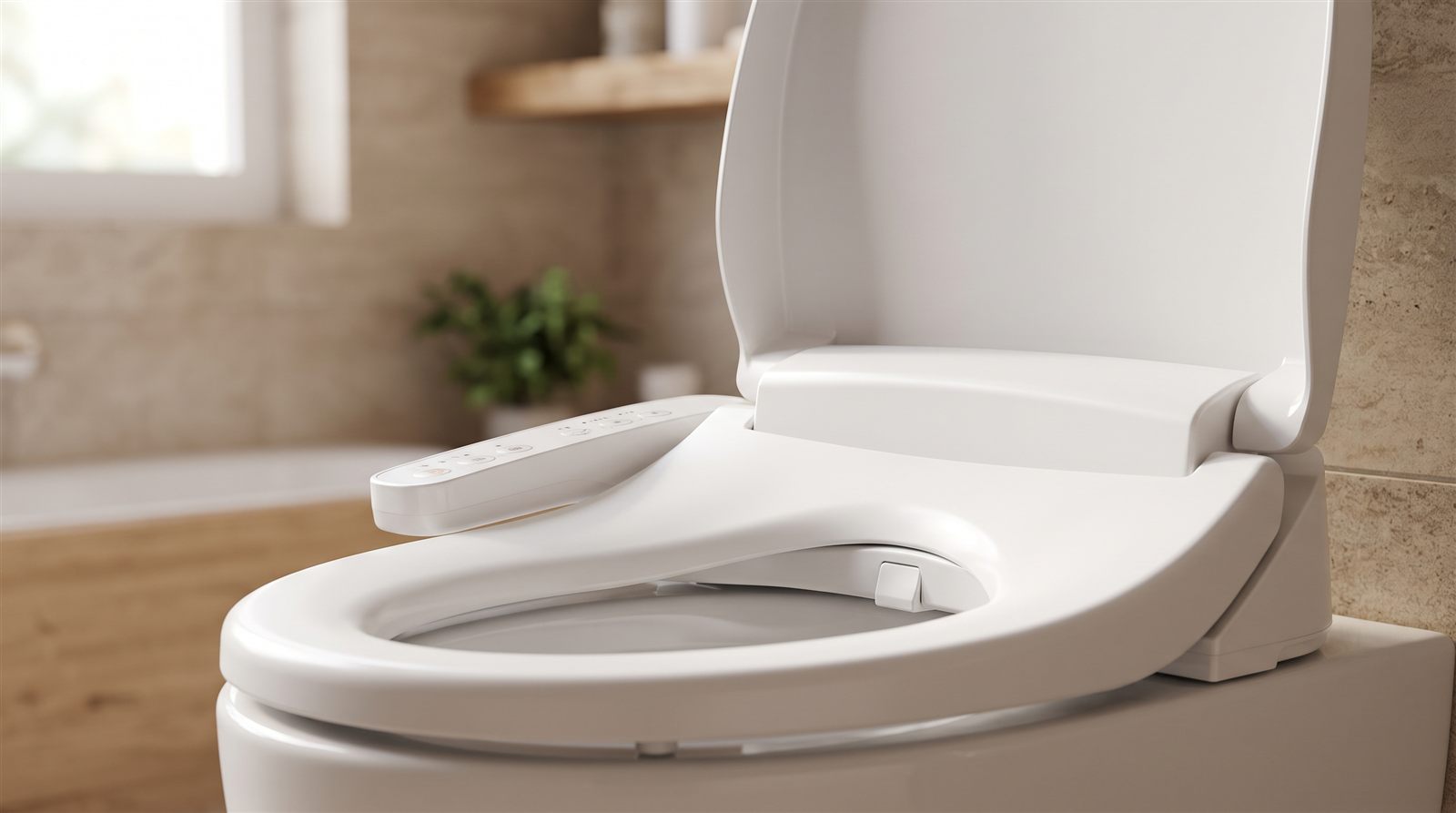
- Is it complicated? Many bidet attachments connect to the supply line behind your toilet seat. Check the instructions for your model and your plumbing.
- Is the water cold? Some models use cold water only, and others offer warm water. Pick what suits you.
- Is it too strong? Start on the lowest pressure and go up only if you want to.
We cover these in more detail in our worries section.
What about the cost?
For the frugal optimizers among us, toilet paper is a recurring bill you never stop paying, while a bidet is mostly a one-time purchase. Your savings depend on how much paper your household uses and which bidet you choose, so rather than guess for you, run your own numbers in our calculator.
Bidet vs toilet paper: the quick scorecard
- Cost: toilet paper is a purchase you repeat forever. A bidet is mostly a one-time purchase.
- Resources: toilet paper uses wood pulp, plus energy and water to make it. A bidet uses a small amount of water per wash.
- Cleaning method: toilet paper wipes dry. A bidet rinses with water.
- Skin comfort: dry wiping can irritate sensitive skin, and many people find rinsing gentler.
Ready to see for yourself?
You don't have to commit to anything to browse. Look at the options, compare features like warm water and pressure control, and choose one that fits your toilet and your budget.